Gold vs. Stocks: How They Have Performed and Why They Differ
Over long periods, stocks have usually beaten gold. But there have been decades when gold won by a wide margin. Here is what drives each and how investors combine them.

Key takeaways
- Stocks are claims on company profits and pay dividends. Gold produces no income.
- Over most long periods, US stocks have grown wealth faster than gold.
- Gold has often held up or gained when stocks fell hard, as in 2000–2002 and 2008.
- Each has had long stretches of disappointing returns. Gold peaked in 1980 and did not pass that level again until 2008.
Different engines
A share of stock is a piece of a business. Over time, companies grow their sales and profits, and shareholders collect dividends. That is the engine behind long-term stock returns.
Gold has no earnings or dividends. Its price depends on what the next buyer will pay, driven by interest rates, the dollar, fear and demand from jewelers and central banks. Its role is closer to insurance than to a growth engine.
A short history
| Period | What happened |
|---|---|
| 1971 | The US ended dollar convertibility to gold at $35 an ounce. Gold began trading freely. |
| 1970s | High inflation. Gold soared while stocks struggled after inflation. |
| 1980–2000 | Gold peaked in January 1980, then fell for two decades. Stocks had one of their best runs ever. |
| 2000–2011 | Two stock crashes. Gold rose for more than ten straight years. |
| 2011–2015 | Gold fell sharply as stocks recovered. |
| 2020s | Strong stock gains led by technology, and record gold prices driven by central bank buying and geopolitical risk. |
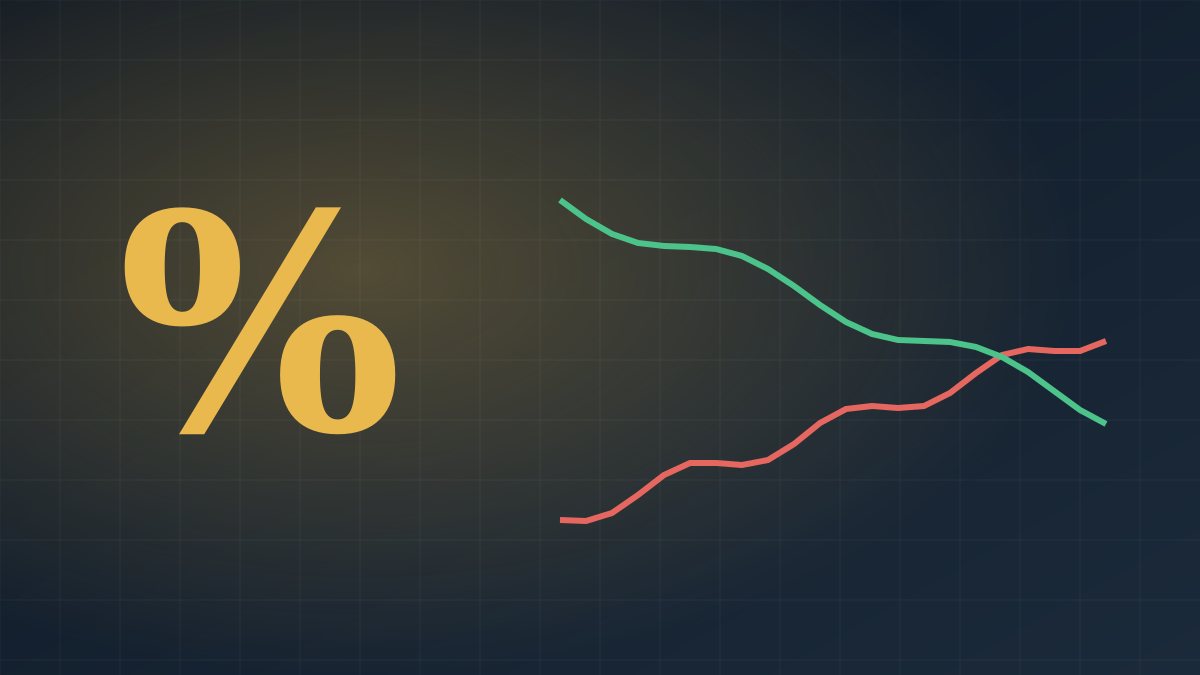
The pattern: neither asset wins every decade, and they often lead at different times.
Why gold can help a portfolio
Gold's price has not moved in lockstep with stocks. During several severe stock market declines, it held its value or rose, which cushioned diversified portfolios. That low correlation is the main reason many investors keep a small allocation to gold, often in the single digits as a share of the portfolio.
The case against too much gold
- No income: a stock fund pays dividends you can reinvest; gold does not.
- Long dry spells: an investor who bought at the 1980 peak waited about 28 years to break even in nominal dollars, and longer after inflation.
- Costs: physical gold carries premiums and storage, and US tax rules treat it as a collectible.
Comparing them fairly
When you compare returns, use total return for stocks, which includes reinvested dividends, rather than the price index alone. Leaving out dividends makes stocks look far worse than they were. Also check the start and end dates: picking a gold peak or a stock market bottom can make either asset look brilliant.
Track both live on our markets page, and see how fees and time affect growth in the compound interest calculator.
This article is general education, not personalized financial advice. Read our editorial policy and disclaimer.