What Is OPEC+ and How Does It Move Oil Prices?
A small group of producers can add or remove millions of barrels a day with one announcement. Here is how OPEC+ works, why its decisions matter, and what changed in 2026.
Key takeaways
- OPEC is a group of oil-exporting countries led by Saudi Arabia. OPEC+ adds allies such as Russia and Kazakhstan.
- The group sets production targets. Cuts tend to lift prices, and increases tend to weigh on them.
- Spare capacity, the oil a producer could pump quickly but chooses not to, is the group's main lever.
- In 2026, the war with Iran, disruption in the Strait of Hormuz and the UAE's exit reshaped how the group works.
OPEC and OPEC+
The Organization of the Petroleum Exporting Countries (OPEC) was founded in 1960. Its members are mostly in the Middle East and Africa, plus Venezuela, and Saudi Arabia is by far its largest producer. Members have come and gone: Qatar left in 2019, Ecuador in 2020 and Angola in 2024.
In 2016, OPEC began coordinating with other big exporters, including Russia, Kazakhstan, Oman and Mexico. That wider alliance is called OPEC+. Together they produce a large share of the world's crude, which gives their decisions real weight.
How OPEC+ decisions move prices
OPEC+ sets a production target, or quota, for each participating country. When the group cuts output, fewer barrels reach the market and prices tend to rise. When it raises output, prices tend to soften. Since 2023, a smaller subgroup of members has also made extra "voluntary" cuts on top of the group targets, and announcements about unwinding those cuts have become market-moving events of their own.
What matters most is the gap between the decision and what traders expected. A cut that markets fully anticipated may barely move prices. A surprise can move Brent and WTI several percent within minutes.
Spare capacity: the real lever
Spare capacity is oil that producers could bring online within weeks but choose not to pump. Most of it sits in a few Gulf countries. When spare capacity is large, markets worry less about outages because barrels can be replaced. When it is thin, any disruption can send prices sharply higher.
Quotas vs. reality
Targets are not always met. Some members overproduce, which the group addresses with "compensation" cuts later. Others cannot reach their quotas because of underinvestment, sanctions or unrest. Traders therefore watch actual output estimates from secondary sources, tanker-tracking firms and monthly reports, not just the announced numbers.
What changed in 2026
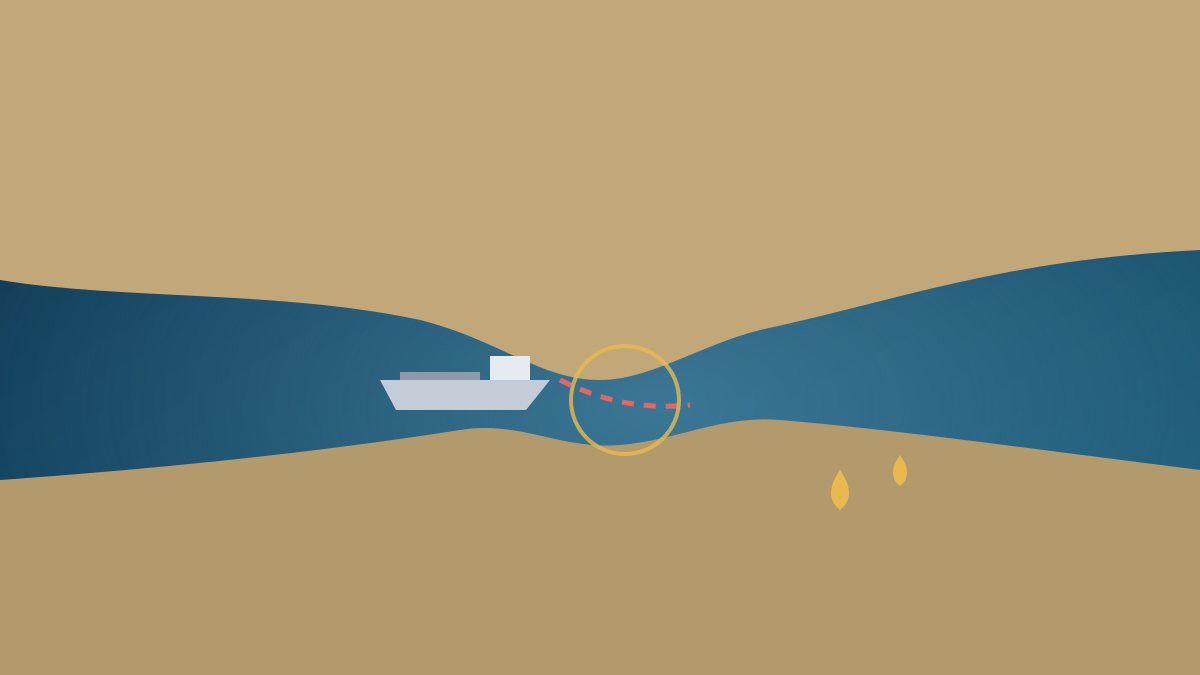
The war that began on February 28, 2026, when the US and Israel struck Iran, led Iran to close the Strait of Hormuz, the narrow channel that normally carries a large share of the world's seaborne oil. Gulf producers cut shipments, and prices jumped: Brent traded around $72 a barrel before the war and near $100 in early October.
The United Arab Emirates, OPEC's third-largest producer, announced in April that it would leave both OPEC and OPEC+ on May 1, 2026, after 59 years. OPEC+ members continued to meet without it and agreed to modest production increases.
As of early October 2026, Gulf crude exports had recovered close to pre-war levels, with a large share routed around the strait through pipelines such as Saudi Arabia's East-West line to the Red Sea. Attacks on tankers continued, keeping shipping and insurance costs high. This situation changes quickly, so check the latest news on our oil market page.
What to watch
- Statements after OPEC+ meetings, and the monthly meetings of the subgroup making voluntary changes.
- OPEC's monthly oil market report and the IEA's monthly report.
- Tanker traffic and attacks around the Strait of Hormuz and the Red Sea.
- US output and inventories, covered in WTI vs. Brent: How Oil Prices Work.
This article is general education, not personalized financial advice. Read our editorial policy and disclaimer.