Why Are Gas Prices So High in 2026?
US drivers paid a record average for September and still pay well over $4 a gallon. Here is what is behind the price at the pump, and what could bring it down.
Key takeaways
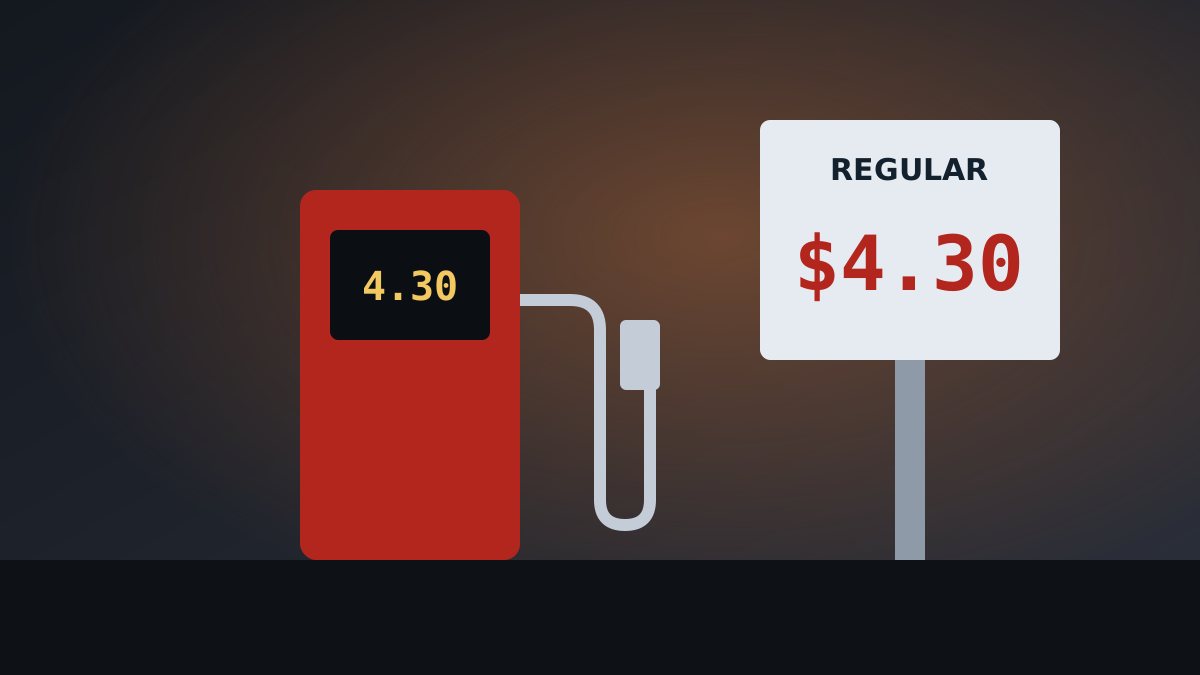
- AAA reported a national average for regular gasoline of about $4.30 a gallon in mid-October 2026.
- September 2026 set a record for the month, averaging $4.33, 50 cents above the previous September record set in 2023.
- A year earlier, in mid-October 2025, the average was about $3.06.
- The main cause is crude oil: the Strait of Hormuz crisis pushed Brent from about $72 before the war to around $100 or more.
What you pay for at the pump
The US Energy Information Administration breaks the retail price of gasoline into four parts:
- Crude oil: usually the largest share. When crude rises, gasoline follows within a few weeks.
- Refining costs and profits: the "crack spread," which jumps when refineries are strained or shut.
- Distribution and marketing: pipelines, trucking and the gas station's margin.
- Taxes: the federal tax of 18.4 cents a gallon plus state taxes, which vary widely.
Why prices rose in 2026
The crude shock. After the US and Israel struck Iran on February 28, 2026, Iran closed the Strait of Hormuz, the channel that normally carries about a fifth of the world's oil. Gulf exports dropped, inventories fell and crude prices surged. Read the full story in The Strait of Hormuz and Oil Prices.
Higher shipping and insurance costs. Tankers that still sail through or around the region pay much more for war-risk insurance, which adds to the cost of every barrel delivered.
Global competition for fuel. Europe and Asia lost some of their usual supply and bid for fuel from other sources, including US refineries, which tightened US supply too.
Why your state's price differs
California, Washington and other West Coast states usually pay the most because of higher taxes, stricter fuel blends and limited refining links to the rest of the country. Gulf Coast states, close to large refineries, usually pay the least. AAA publishes a daily average for every state.
What could bring prices down
- A lasting agreement that restores safe passage through the Strait of Hormuz.
- More oil from producers outside the Gulf, including the US.
- Weaker demand, for example after the summer driving season or in an economic slowdown.
- Seasonal fuel blends: the cheaper "winter blend" is allowed from mid-September in most of the US.
Gas prices move with a lag behind crude. Watch live WTI and Brent prices on our oil page, and see how energy costs feed inflation in How to Read the CPI Report.
How to save at the pump
- Compare stations with a price app; prices can differ by tens of cents in the same town.
- Use regular fuel unless your owner's manual requires premium.
- Keep tires properly inflated and avoid hard acceleration, which can cut fuel use noticeably.
This article is general education, not personalized financial advice. Read our editorial policy and disclaimer.