Roth IRA vs. Traditional IRA in 2026: Limits, Taxes and How to Choose
Both let you save up to $7,500 in 2026. The difference is when you pay tax. Here are the 2026 income limits, the key rules and a simple way to decide.
2026 at a glance
- Contribution limit: $7,500 across all your IRAs, plus $1,100 catch-up at age 50+.
- Roth IRA income phase-out: $153,000–$168,000 single, $242,000–$252,000 married filing jointly.
- Traditional IRA: anyone with earned income can contribute; the tax deduction may be limited if you have a workplace plan.
- You can make 2026 contributions until the tax filing deadline in April 2027.
The core difference
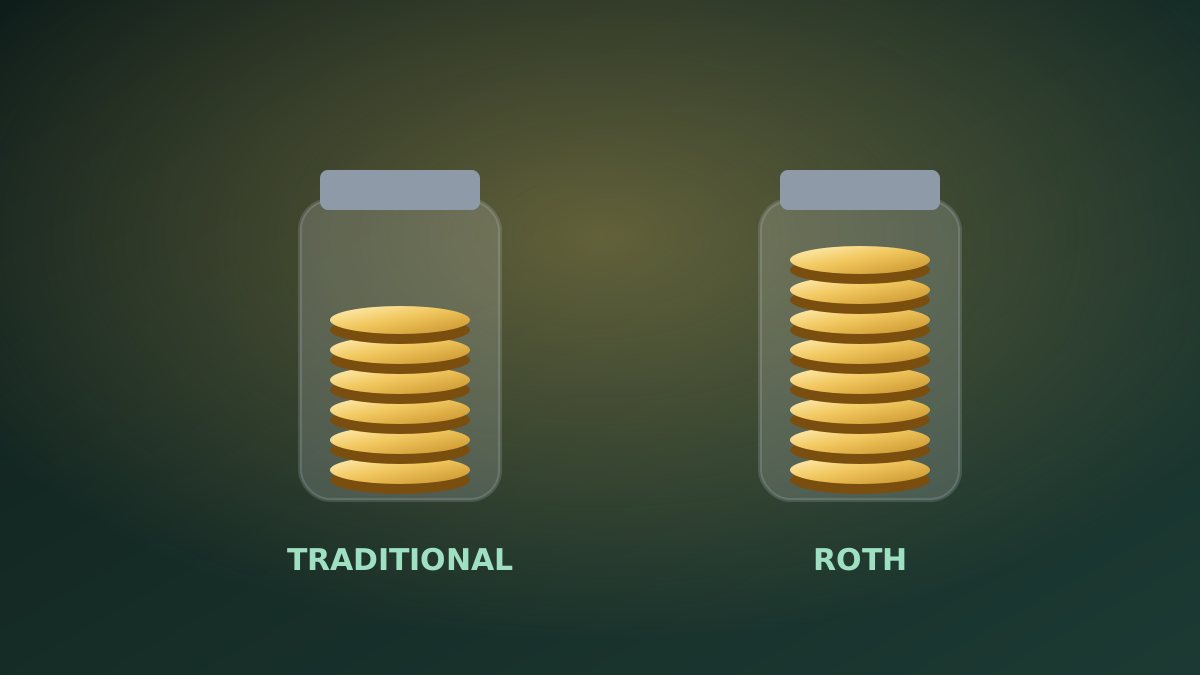
| Traditional IRA | Roth IRA | |
|---|---|---|
| Tax break | Now: contributions may be deductible | Later: qualified withdrawals are tax-free |
| Withdrawals in retirement | Taxed as income | Tax-free if rules are met |
| Income limit to contribute | None | Yes, phase-out ranges above |
| Required minimum distributions | Yes, starting at 73 or 75 depending on birth year | None for the original owner |
| Withdrawing contributions early | Taxed, plus 10% penalty in most cases | Contributions can come out anytime tax- and penalty-free |
2026 traditional IRA deduction limits
If you or your spouse is covered by a workplace retirement plan, your traditional IRA deduction phases out at these incomes in 2026:
- Single, covered by a workplace plan: $81,000–$91,000
- Married filing jointly, contributor covered: $129,000–$149,000
- Married filing jointly, only the spouse covered: $242,000–$252,000
If neither of you has a workplace plan, the full contribution is deductible at any income.
The Roth five-year rule
To withdraw Roth earnings tax-free, you generally must be at least 59½ and your first Roth IRA contribution must have been made at least five tax years earlier. Your own contributions can always be withdrawn without tax or penalty.
How to choose
- Expect a higher tax rate later? Roth tends to win. This often applies early in a career.
- In your peak earning years? A deductible traditional IRA lowers your tax bill now.
- Earn too much for a Roth? Some people use a "backdoor Roth," a non-deductible traditional contribution later converted to Roth. Tax rules on conversions are complex, so get advice first.
- Not sure? Splitting between the two spreads your tax risk.
Where an IRA fits
If your employer offers a 401(k) match, contributing enough to get the full match usually comes first. Then an IRA can add lower-cost or broader investment choices. See 401(k) vs. IRA: 2026 Limits, and project your savings with the retirement calculator and the compound interest calculator.
Tax rules have exceptions. A tax professional can confirm how they apply to you.
This article is general education, not personalized financial advice. Read our editorial policy and disclaimer.